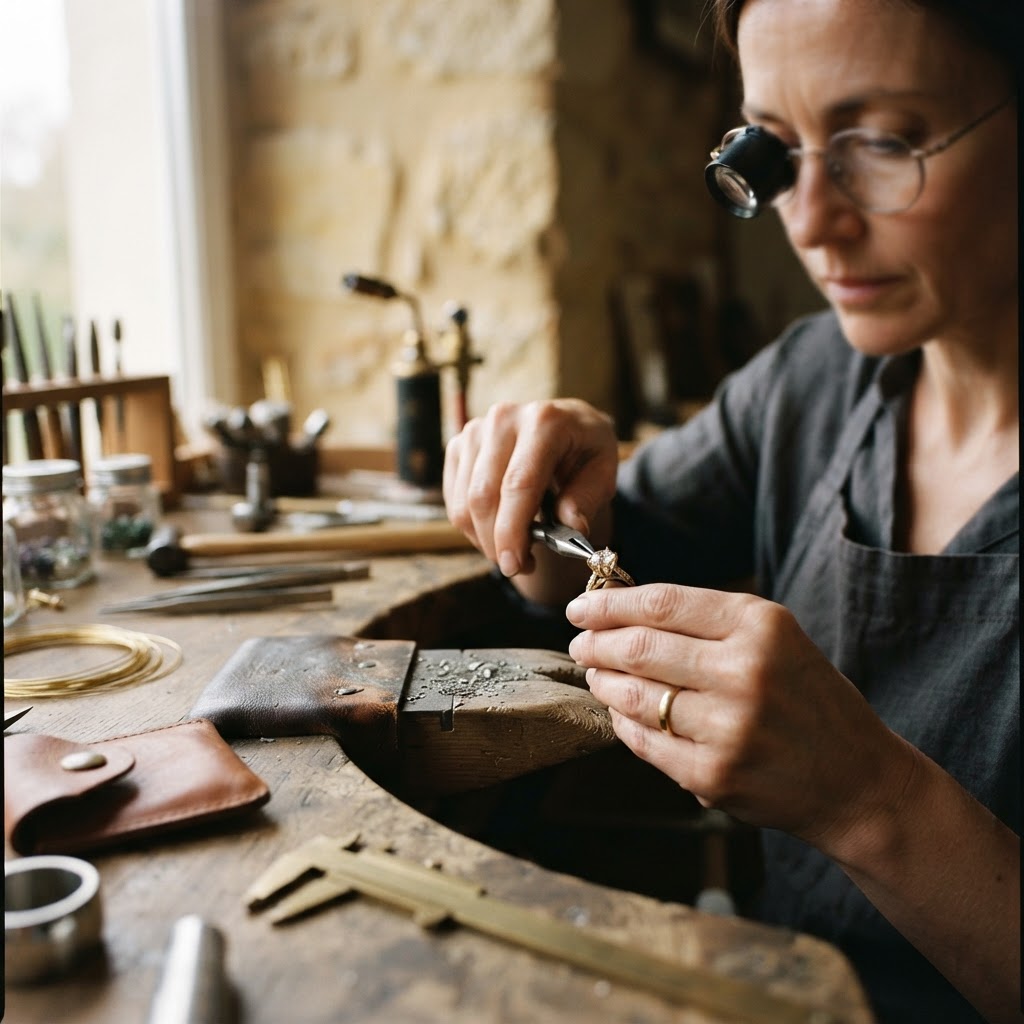
How to choose a custom jeweller for quality and value
Most bespoke jewellers quote 6-10 weeks for a custom ring. Knowing how to choose a custom jeweller means comparing more than the estimated finish...
Most bespoke jewellers quote 6-10 weeks for a custom ring. Knowing how to choose a custom jeweller means comparing more than the estimated finish date. The design process, stone details and sourcing practices also matter.
A bespoke piece gives you control over its details, but that can make choices harder to compare. A clear process helps you understand what is included, how decisions are made and where the value lies.
This guide explains how to assess timelines, stone quality, pricing transparency, reputation and material sourcing. Use these points to compare options and decide which jeweller’s approach fits your design and priorities.
Key Takeaways
- Compare the full design process, including consultation, sketches and revision stages, rather than judging a timeline by its final date alone.
- Assess a diamond’s documented characteristics alongside its appearance, and compare like with like when reviewing stones.
- Request a clear price breakdown and weigh the materials, stone and design work included, not just the headline figure or discount.
- Review examples of completed work and client feedback for evidence of consistent workmanship and clear communication.
- Consider how gemstones and metals are sourced, then use tools such as Loose Diamonds or Ring Maker to organise your design choices.
1. How long does custom jewellery usually take?
Most bespoke jewellers quote 6-10 weeks for a custom ring. Treat this as a planning guide, not a complete schedule: consultation, design approval, stone selection, making and final checks all affect the finish date. Ask for the expected start point and completion date, and clarify whether the estimate begins after the design and materials are agreed.
The design process usually starts with a consultation. Bring reference images, a preferred metal, stone ideas and practical requirements, such as a low setting for everyday wear. The jeweller can use these details to define the brief, then prepare sketches or a visual rendering. Before approving the design, review its proportions, setting and stone placement.
Ask how revisions work before making begins. Changing a band profile may be simpler than replacing the centre stone or rebuilding the setting. Each revision can affect design approval, material selection and the production schedule. Record the agreed design and any changes in writing so everyone is working from the same version.
Complexity affects both timing and cost. Adapting an existing design with a different size or gemstone generally involves fewer design decisions than creating a piece from scratch. Multiple stones, detailed settings and unusual proportions can add design and making steps. Compare the proposed scope, materials and labour rather than assuming a shorter timeline means better value.
For a custom commission in Lanarkshire, compare the available design routes, from adapting an existing design to developing a piece from an original brief. Review what each process includes: consultation, sketches, revision stages, stone selection and final approval. Whether discussions take place online or in person, design decisions and approval stages shape the schedule.
Your input is most useful at defined approval points. Clarify the brief, review sketches promptly and choose the stone and metal before production. For example, changing the band width after approving the design may mean revising the model before making begins. Agree who approves each stage and how changes affect timing.
A written agreement should set out the deposit and payment stages, the approved design, how requested changes are handled and the cancellation terms. It should also explain what happens to payments if work has started or materials have been ordered.
Ask the jeweller to record any guarantee terms, what a valuation covers and what aftercare is available. These are separate matters: a valuation documents an assessment, while aftercare may include cleaning, maintenance or adjustments. Get the scope and any limits in writing before approving the commission.
2. Diamond certification and stone quality
Start with the diamond’s grading report, then match its details to the stone being offered. A report records an assessment of a diamond’s characteristics; it doesn’t describe the finished ring or guarantee that one stone will look better than another. Check the report’s identifying details against the jeweller’s description before choosing.
Use the four Cs as a comparison framework: cut, colour, clarity and carat weight. Cut describes how a diamond’s proportions and finish affect its appearance. Colour and clarity describe characteristics that can influence what you see. Carat weight measures the diamond’s weight, not its visual size on its own. Compare diamonds of the same shape and similar characteristics for a useful assessment.
Consider appearance alongside grades. Two diamonds with similar report details can look different in person or under different lighting. View the stone from the top and side, and observe how it handles light, whether inclusions are visible and how its colour appears. A stone that looks balanced face-up, for example, may suit your preferences better than one with a higher grade in a single category.
Ask the jeweller to explain each report entry in plain language. Focus on the characteristics that matter for your design and viewing preferences rather than treating the highest grade as an automatic choice. A halo, solitaire and three-stone design position diamonds differently, so consider the centre stone’s appearance in the setting you plan to use; exploring online ring collections such as javda.com can provide a helpful visual reference for how distinct mounts frame a stone.
Compare the report with the diamond itself. Confirm that its shape, measurements and other listed details match the description. If a report is available, read it before agreeing to the design. Keep a copy with your purchase records so the stone’s documented details remain connected to the finished piece.
Ask whether the diamond is lab-grown or mined, as origin is a separate choice from the four Cs. Lab-grown diamonds are chemically identical to mined diamonds, but their origins and sourcing paths differ. Decide which option suits your priorities, then compare individual characteristics rather than assuming origin alone determines appearance or quality.
Assess the stone separately from the workmanship. A diamond report doesn’t evaluate the setting, alignment or finish of the completed ring. Review the proposed design and ask how the stone will sit within it. This keeps your decision focused on both the documented diamond and the finished piece you want to wear.
3. Evaluating value and discounting
Compare written quotes against the same design brief. A useful comparison covers the centre stone, metal, setting, design work and making process. If one quote includes a detailed design stage and another covers production only, the totals represent different work. List the included items side by side before deciding which proposal offers better value.
Ask for a breakdown separating materials, labour and design work. It should explain the selected stone’s characteristics, metal specification and setting details. For example, compare a solitaire quote fairly only with another solitaire using a similar stone and metal. A lower total may reflect a different specification, not a better deal.
Compare design services as well as finished pieces. Check whether the process includes a consultation, sketches or a rendering, and how revisions are handled. Find out when the design becomes final and whether changes affect the agreed scope. These details help explain the difference between a made-to-order piece and one developed specifically from your brief.
How can you compare custom jewellers’ quotes and design services? Give each jeweller the same brief, then compare itemised costs, materials, stone details, design stages and revision terms. Note the differences before deciding, so a discount doesn’t distract from what the quote includes.
Assess a discount against the original quoted specification. A reduced figure is useful only if the design, stone, metal and included work remain clear. Be cautious of continuous sales language and dramatic markdowns, which can make underlying value harder to judge. Compare written details instead of treating a crossed-out figure as proof of savings.
Decide what matters most in your design. If the centre stone is your priority, compare its documented characteristics and the setting that holds it. If the design matters most, examine the proposed proportions, finish and custom work. This makes trade-offs clear: a different stone or simpler setting may change the total without changing your overall design goal.
Before approving a quote, check its assumptions. Confirm that the selected materials, stone, design version, payment stages and any charges for agreed changes are recorded. Keep the quote with the approved design. Together, they provide a practical reference if a later revision changes the work or final specification.
4. Experience, reputation and client reviews
Experience matters most when it matches the work you need. A jeweller who regularly designs engagement rings may have relevant examples of stone settings, proportions and wearability. Review completed commissions similar to your brief, not just display pieces. A portfolio of bespoke rings can show how designs translate from drawings into finished jewellery.
Look closely at the workmanship in each example. Check whether stones sit evenly, settings look balanced and metal surfaces have a consistent finish. Zoom in on photographs of a pavé band or three-stone ring. Clear detail makes finishing easier to assess; distant images reveal less about alignment and construction.
Customer reviews can offer evidence about the process as well as the finished piece. Look for specific comments about communication, design approvals, changes and delivery. A review describing how a jeweller handled a revised setting gives more context than a general compliment. Compare several accounts for recurring themes rather than relying on one very positive or negative review.
Separate verifiable detail from opinion. “The ring matched the approved design” describes a specific outcome, while “Excellent service” expresses a general view. Both can be useful, but the first helps you assess whether the design process produced the expected result. Check whether feedback concerns custom work, since reviews of ready-made jewellery may not reflect a bespoke commission.
Assess how the jeweller explains technical choices. A clear explanation connects the design to practical details, such as how a setting protects a stone or how a band’s profile affects its appearance. For example, a low-profile setting may suit someone who wants less height above the finger. Look for explanations that address your brief rather than repeat generic claims.
Keep a simple comparison record. Note relevant portfolio examples, review themes and unanswered questions for each option. Include whether the work shown resembles your preferred style, such as a plain solitaire or detailed halo setting. This makes differences easier to identify without treating review scores as a complete measure of craftsmanship.
Reputation also depends on clear records. A consistent process should leave you with an agreed design, written specifications and records of approval. Compare those documents with the finished piece at collection. For instance, confirm that the stone shape and setting match the approved design, then inspect the completed ring under good lighting.
Consider how communication feels during early discussions. Does the jeweller listen to your brief, explain options plainly and distinguish agreed decisions from open choices? A focused conversation about a specific detail, such as band width or stone placement, can show whether the process is collaborative and organised.
5. Responsible materials and gemstone sourcing
Ask about the origin and material details of each main component in the proposed piece. For a ring, that means the centre stone, accent stones and metal. A clear answer distinguishes what is known about each material from general claims about responsible sourcing. Record these details alongside the approved design and quote.
Consider a diamond’s origin separately from its quality. Lab-grown diamonds are chemically identical to mined diamonds, but their origins differ. If origin affects your decision, ask whether the stone is lab-grown or mined and what documentation accompanies it. Keep the answer linked to the individual stone, not just a broad description of the range.
For a mined gemstone, ask what supply-chain information is available. Useful details may include the country or region of origin, the supplier and accompanying records. Information can vary by stone. For a coloured gemstone, ask whether treatments affect its appearance and make sure the explanation relates to the specific stone selected.
Give metal sourcing the same attention. Ask what metal the design uses and whether the jeweller can describe its source or recycled content. A piece combining a gold band with diamond accents has several material inputs, so one general statement may not describe every component. Compare answers by asking the same questions about each proposed design.
Look for precise, material-specific language. “Responsibly sourced” alone doesn’t explain a stone’s origin or what records support the claim. Ask what the term means for that particular gemstone or metal. For example, a three-stone ring may use stones from different sources, so ask whether each has separate origin information.
Use the answers to make a practical comparison. Note each option’s stated origin, available documentation, treatments and metal details. Then identify which points matter most to you. If traceability is your priority, focus on a proposal that explains the stone’s documented path, similar to the standards championed by sustainable fine jewellery destinations like JOSMIRLUXE. If appearance matters most, compare the selected stones and settings separately.
Keep sourcing information with the final design record. Include the stone description, any origin information supplied, metal specification and relevant documents. This creates a clear reference if the piece is later assessed, insured or repaired. For example, distinguishing the centre diamond from side stones makes the finished ring’s materials easier to identify.
Use your sourcing questions to guide a focused conversation about gemstone choices and documentation.
Jewellove: Loose Diamonds
Jewellove offers practical tools if you’re comparing stones or planning a ring design. Browse Loose Diamonds to consider your options, use the Diamond Quiz to organise your preferences, or explore Ring Maker to shape a ring around your choices. The Bespoke Design Service is suited to developing a piece around a specific brief.
Use these tools once you’ve identified your priorities, such as diamond origin, appearance, setting and design. They help turn general criteria into a clearer set of choices for a custom ring.
Explore the options at jewellove.co.uk.
Make your next design decision with confidence
Turn your preferences into a clear design brief. Note the features you value most, the details you’re still weighing and the questions that will help you decide. This gives your design conversation a practical focus and makes it easier to assess how the proposed piece fits your priorities.
Jewellove’s Loose Diamonds, Ring Maker and Bespoke Design Service give you ways to explore stones and develop a ring concept. A focused discussion can connect those choices to the design you have in mind. If you’re deciding how to choose a custom jeweller, use the conversation to clarify your requirements and understand the design process.
With your priorities set out, you can take the next step with a clearer idea of what you want to create.
Frequently Asked Questions
How long does custom jewellery usually take?
A bespoke ring commonly takes 6-10 weeks, with the schedule shaped by design approval, stone selection and making. Ask when that estimate starts and which stages it covers. For a gift or planned occasion, work backwards from the date and allow time for reviewing designs and confirming choices. The jeweller’s written schedule should identify approval points, so you can see where your decisions affect progress.
Can I use my own stones or gold?
Possibly, if the materials suit the design and can be worked safely. A jeweller will need to assess a stone’s condition, dimensions and setting requirements. Existing gold also needs to be identified and assessed for compatibility with the proposed piece. Before commissioning, provide clear photographs and any records you have, then agree in writing how supplied materials will be assessed and handled.
What should I look for in a trustworthy jeweller?
Look for a clear process, specific answers and written records. A trustworthy jeweller should explain what the design includes, how approvals work and what happens if you request a change. For example, if you want a lower setting, the jeweller should explain its effect on the design. Check that the final specification records the agreed materials and design details.
What should I look for when choosing a custom jeweller in the UK?
If you’re shopping in Lanarkshire, compare each jeweller’s design process, communication method and relevant examples. Jewellove is an online platform, with digital tools for reviewing ring choices and designs. To decide how to choose a custom jeweller, compare the same brief and criteria rather than relying on location alone.
How do I check a jeweller’s credentials, reviews and previous work?
Look for evidence relevant to the commission you have in mind. A portfolio of completed bespoke pieces can help you assess design consistency and finish. Read reviews for details about communication and whether the finished piece matched the agreed brief. Treat credentials as supporting information, then consider what they relate to and whether the jeweller’s examples show relevant experience.
What questions should I ask a custom jeweller before commissioning a piece?
Ask who will manage the design, what you’ll receive before production and how approval is recorded. Clarify how material choices affect the proposed design, how requested changes are handled and what documents accompany the finished piece. If you’re commissioning a ring for everyday wear, explain how you’ll use it. That context helps focus the discussion on practical design choices.
How much does bespoke jewellery cost in the UK, and what affects the price?
The price depends on the selected materials, gemstone, design complexity and making work. A ring with multiple stones and detailed settings involves different components from a simple band. Compare proposals using the same design brief and request an itemised breakdown. Check that each quote describes the same stone, metal and design scope before comparing totals or advertised discounts.
How long does it take to design and make custom jewellery?
Design and making are separate stages, so the overall schedule depends on how quickly the brief becomes an approved design and whether materials are ready. A change to proportions after approval can mean additional design work before production continues. If the piece is for a specific date, share that timing at the outset and use the agreed stage plan to track decisions and progress.