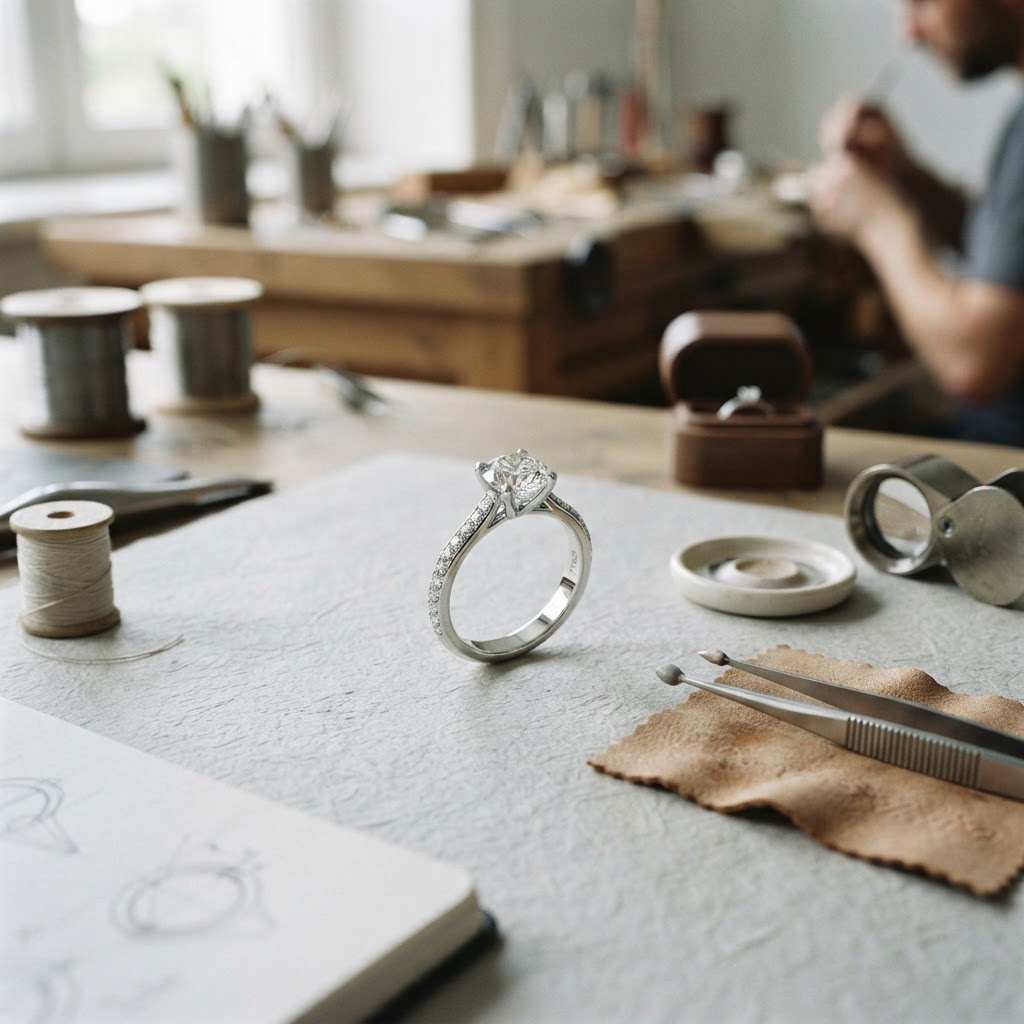
Platinum Ring Maintenance: Technical Preservation Protocol
Platinum surfaces do not experience metal loss during abrasion. Scratches represent molecular displacement rather than volume reduction. This...
Platinum surfaces do not experience metal loss during abrasion. Scratches represent molecular displacement rather than volume reduction. This physical property creates the signature patina that many owners mistake for permanent degradation. You chose this metal for its density and durability. However, you likely remain concerned about chemical interactions and the security of your stone settings. It's logical to seek a systematic method to prevent prong wear and maintain the original finish.
This protocol defines the exact steps for how to maintain platinum ring integrity through objective data and scheduled maintenance. You'll move beyond basic cleaning to a professional preservation strategy. This guide delivers a structured cleaning timeline and clear indicators for professional intervention. It focuses on the logistics of metal care and the technical requirements for stone security. Use these snapshots of information to organise your jewellery maintenance. This approach ensures the structural longevity of your bespoke designs and preserves the technical precision of the original setting.
Key Takeaways
- Analyse the mechanics of metal displacement to distinguish between surface patina and structural loss.
- Follow a bi-weekly cleaning protocol to learn how to maintain platinum ring clarity.
- Categorise environmental risks to prevent prong misalignment and stone loss during high-impact activities.
- Schedule annual professional inspections to verify the integrity of settings and metal density.
- Utilise the Jewellove maintenance tools to organise technical data for your bespoke jewellery.
Physical Characteristics and Platinum Displacement Mechanics
Platinum is a high-density, ductile transition metal. Its atomic structure allows for significant deformation without fracture. Unlike gold alloys, platinum possesses high tensile strength and resistance to corrosion. Understanding the physical properties of platinum is essential for long-term ownership. When the surface sustains impact, the metal molecules shift position. This process is known as metal displacement. A scratch on a platinum surface doesn't result in metal loss. Instead, the metal is pushed aside, creating microscopic ridges. This mechanical behaviour is a primary reason why learning how to maintain platinum ring integrity differs from other precious metals.
The Science of the Patina Finish
The patina finish is a natural surface transformation. It occurs as microscopic ridges accumulate over time through daily contact. These ridges diffuse light differently than a high-polish surface. The result is a soft, matte appearance. This texture is a functional record of the ring's history. Many collectors prefer this finish because it highlights the metal's density. It indicates a lack of artificial coatings. Professional refinishing can restore the original polish, but it involves smoothing these ridges back into alignment rather than removing material.
Platinum vs Gold: Wear Resistance Comparison
Platinum offers superior wear resistance compared to white gold alloys. White gold is often plated with rhodium to achieve a white finish. This plating erodes over time, requiring frequent chemical re-application. Platinum is naturally white. It requires no plating. This reduces the chemical complexity of how to maintain platinum ring surfaces. Prong security is also higher in platinum settings. Gold prongs become brittle and thin as metal is eroded or polished away. Platinum prongs remain ductile. They bend rather than break under stress. This makes them ideal for securing loose diamonds in a Ring Maker configuration. Platinum jewellery retains its original volume over decades of wear. Gold jewellery loses mass every time it is scratched or polished. This volume retention ensures the structural symmetry of the piece remains intact.
Technical data for maintenance includes:
- Density: 21.45 g/cm³, providing a substantial feel and durability.
- Purity: Typically 950 (95%) in the UK, minimising allergic reactions.
- Ductility: Allows for secure stone setting and resizing without metal loss.
Systematic At-Home Cleaning Protocol
A bi-weekly cleaning schedule is required for optimal surface clarity. This frequency prevents the accumulation of lipids, skin oils, and environmental pollutants. These substances form a film on the metal surface. This film obscures the light refraction of the stones. Maintaining this schedule ensures the visual performance of the ring remains consistent. The process relies on basic chemical emulsification to remove organic debris without affecting the metal's structural integrity. It's a primary component of how to maintain platinum ring aesthetic standards.
Required materials include a mild degreasing agent, warm water, and a soft-tethered brush. Avoid industrial solvents. The goal is to loosen debris through hydration and mild chemical action. This methodical approach preserves the jewellery care standards established during the bespoke design process. It's essential to follow this timeline to prevent permanent buildup in complex settings.
Step-by-Step Cleaning Execution
Prepare a solution by adding three drops of mild detergent to 200ml of warm water. Submerge the platinum ring for 15-20 minutes. This duration allows the detergent to emulsify accumulated oils. Utilise a soft-bristled brush to access the underside of the diamond setting. Direct the bristles into the gallery and around the prongs. This area typically hosts the highest concentration of debris. Rinse the ring under warm running water. Ensure all soap residue is removed. Dry the piece thoroughly with a lint-free microfibre cloth. This prevents water spotting and maintains the surface lustre.
Prohibited Substances and Tools
Abrasive cleaners represent a significant risk to the surface finish. Toothpaste contains particulates that cause micro-scratching. These scratches alter the light diffusion of the metal. Avoid chemicals such as chlorine and bleach. These agents don't damage platinum, but they can cause stress corrosion in gemstone inclusions. While at-home care is essential, it doesn't replace professional platinum finishing protocols for restoring high-polish surfaces. Don't use at-home ultrasonic cleaners for fragile stone settings. High-frequency vibrations can loosen stones if the prongs are already compromised. If you observe persistent residue or loose stones, schedule a technical consultation to ensure structural integrity.
Environmental Exposure and Risk Mitigation
Environmental risk mitigation is a critical data point for jewellery longevity. Categorise high-risk activities into three primary sectors: manual labour, gym usage, and chemical handling. These environments introduce mechanical and chemical stressors that exceed standard wear parameters. Blunt force impact directly alters prong alignment and structural symmetry. A single impact event can shift a prong by several microns. This mechanical stress results in stone instability. Continuous monitoring of these risk zones is a core requirement for how to maintain platinum ring standards. Establish a habit of removing jewellery before engaging in high-impact tasks.
Metal-on-metal contact represents a high-frequency degradation risk. weightlifting or gardening involve repetitive contact with hardened steel surfaces. Platinum possesses high density but remains ductile. It deforms under the pressure of harder metals. This contact creates significant displacement ridges. These ridges differ from standard wear patina and require professional refinishing to correct. Refer to the FTC Jewelry Guides for technical standards on metal purity and durability classifications. Maintaining a barrier between your ring and industrial tools prevents structural deformation.
Chemical and Thermal Safeguards
Household chemicals discolour softer accent stones and organic debris. Platinum is chemically inert. However, chlorinated pools affect jewellery settings by interacting with trace alloy components or residues. Thermal expansion from hot tubs is an overlooked risk factor. Rapid temperature shifts affect the physical tension between the metal and the stone. This cycle of expansion and contraction compromises stone security over time. Remove the ring before entering high-temperature environments to mitigate this risk. Use the jewellery care data to identify safe chemical boundaries for your specific stones.
Safe Storage Protocols
Establish a secure storage protocol for periods of non-wear. Use separate compartments to prevent contact with harder gemstones. Diamonds and sapphires will scratch platinum surfaces upon contact. Fabric-lined jewellery organisers provide a neutral environment for metal preservation. Utilise a dedicated travel case for mobile security. This case must include internal padding to ensure the ring remains in a fixed position. Effective storage prevents accidental mechanical damage during household management. Organise your storage by material type to minimise surface abrasion. This systematic approach ensures the ring remains in a controlled environment when not on the hand.
Professional Verification and Integrity Inspections
Annual professional inspections are mandatory for structural verification. At-home protocols manage surface aesthetics. However, technical integrity requires microscopic analysis. A jeweller assesses the mechanical state of the piece to prevent stone loss. This is a primary component of how to maintain platinum ring stability over a multi-decade lifecycle. It transitions care from basic cleaning to professional preservation. These inspections provide a technical snapshot of the ring's current condition.
The Professional Inspection Checklist
The inspection follows a specific technical workflow. First, verify hallmark legibility. This confirms metal purity and origin. Second, perform microscopic analysis of prong wear. Platinum is ductile. Prongs may shift under blunt force or catch on fabrics. Third, assess the ring shank for thinning or deformation. This ensures the ring maintains its circular symmetry. Fourth, verify stone security through manual tension testing. These steps identify risks before they result in component failure. Professional cleaning protocols also remove deep-seated debris that at-home methods cannot reach.
Local Lanarkshire expertise is essential for maintaining bespoke designs. Pieces created via the Ring Maker require specific knowledge of the original setting parameters. Professional servicing in a local workshop allows for immediate technical adjustments. Our specialists understand how to maintain platinum ring integrity through precise metal manipulation. This local access ensures your jewellery care record remains consistent and documented.
Restoration Services: Polishing vs Burnishing
Professional polishing restores a high-mirror finish by removing the natural patina. This process involves high-speed wheels and abrasive compounds. Frequent aggressive polishing can eventually reduce metal weight through surface abrasion. It's recommended only for significant surface restoration. Burnishing is an alternative technique. It involves using a hardened steel tool to smooth displaced metal back into position. Burnishing doesn't remove material. It realigns the molecular ridges formed during daily wear. This method is highly effective for maintaining the volume of custom design platinum pieces. Workshop servicing often includes professional ultrasonic cleaning to remove lipids from the gallery. This ensures the stones achieve maximum light performance.
The Jewellove Maintenance Ecosystem
Integrate your maintenance schedule with the Jewellove Ring Maker to access specific technical specifications for your piece. This tool provides the baseline data required for how to maintain platinum ring standards. Use the Jewellery Care Guide for ongoing protocol updates and technical snapshots. It's essential to track Platinum Price Snapshots to ensure your insurance valuations remain accurate. This data allows for the comparison of replacement costs against current market values. Local Lanarkshire clients should visit the workshop for bespoke design consultations to verify structural integrity. Our experts provide a physical audit of the metal's condition based on its unique manufacturing data.
Digital Record Keeping for Jewellery
Maintain a digital log of purchase dates and professional inspection results. This creates a searchable history of your jewellery's condition. Precision in record keeping prevents the degradation of technical value. Store high-resolution images of hallmarks and settings. These images assist in security verification and damage assessment. Use the Jewellove platform to organise your care schedules and wishlists. This systematic approach ensures no maintenance milestone is missed. Categorise your data by metal type and stone specification. This facilitates efficient lifecycle management for your entire collection.
Key data points for your digital log include:
- Service History: Tracking dates of professional cleaning and prong verification.
- Technical Specs: Snapshots of metal purity and diamond certification numbers.
- Security Data: Storing macro photography of unique hallmarking for identification.
Bespoke Design Longevity
Initial Bespoke Design choices dictate the long-term maintenance requirements of your ring. High-volume metal settings provide greater heirloom durability. Jewellove maintains a heritage of quality craftsmanship founded in 2009. Our specialists focus on the relationship between metal density and stone security. Choosing platinum ensures your design retains its structural volume over decades. This density is essential for the preservation of complex settings. Bespoke designs created with technical precision require less frequent corrective intervention. Organise your maintenance according to the specific material data of your piece to ensure maximum longevity. Technical facilitators in our Lanarkshire centre provide the tools needed for this level of precision. Every data point contributes to the preservation of the ring's original engineering.
Technical Lifecycle Management for Platinum
Platinum's molecular stability facilitates preservation without material loss. You've identified the requirement for bi-weekly cleaning and the risks of high-impact environments. These steps ensure your jewellery remains a viable long-term asset. Our specialist platinum bench workers provide the technical precision required for these maintenance protocols. We utilise Lanarkshire-based bespoke expertise to verify your settings. Integrating this with digital technical data management for jewellery assets ensures your records are accurate.
Implementing these steps is the most efficient way for how to maintain platinum ring integrity over its entire lifecycle. This systematic approach preserves the structural engineering of your bespoke designs. Consistent data tracking and professional verification mitigate the risk of component failure. Your jewellery management becomes a predictable workflow rather than an uncertain process.
Organise your next inspection to maintain the technical performance of your collection. We look forward to facilitating your jewellery's longevity.
Frequently Asked Questions
How often should I professionally clean my platinum ring?
Schedule a professional inspection and cleaning once per annum. This frequency allows for the verification of structural integrity and the removal of deep-seated lipids. Our Lanarkshire workshop provides technical audits to ensure the security of your settings. Regular professional intervention is a critical component of how to maintain platinum ring standards over a multi-year lifecycle. This schedule prevents the accumulation of debris that at-home protocols cannot effectively neutralise.
Can I use an ultrasonic cleaner for my platinum and diamond ring?
Ultrasonic cleaners are generally safe for platinum and diamond combinations. High-frequency sound waves emulsify organic pollutants in the setting's gallery. However, avoid this method if your ring features pave settings or fragile accent stones. Excessive vibration can dislodge stones if the prongs are already compromised. Consult a specialist in Lanarkshire to verify if your specific design parameters permit ultrasonic cleaning. This technical verification prevents accidental component loss during the cleaning process.
Will my platinum ring turn yellow over time like white gold?
Platinum won't turn yellow because it's a naturally white metal. It doesn't require rhodium plating to achieve its colour profile. White gold is a yellow alloy that requires periodic re-plating to mask its natural hue. Platinum maintains its white appearance throughout its entire lifecycle. Any change in surface appearance is the result of patina development or debris accumulation. Both factors are manageable through the systematic protocols defined in this technical guide.
What is the best way to remove scratches from a platinum ring?
Professional polishing or burnishing is the only effective method for removing scratches. Burnishing realigns the displaced metal molecules without removing material volume. This technique is preferred for maintaining the structural density of bespoke designs. Avoid at-home abrasive compounds as they cause micro-scratching. Understanding how to maintain platinum ring finishes requires a distinction between surface patina and deep mechanical damage. Our specialists use precision tools to restore the original high-mirror finish.
Is it safe to wear my platinum ring whilst swimming in a chlorinated pool?
Platinum is chemically inert and doesn't react with chlorine. However, swimming in chlorinated pools presents risks to the stone settings and overall security. Chlorine can interact with residues or specific gemstone inclusions. Cold water also causes finger shrinkage, which increases the risk of the ring slipping off. Remove the ring before entering pools to ensure mechanical security. This protocol is a standard requirement for effective environmental risk mitigation.
Does platinum lose weight when it gets scratched or polished?
Platinum doesn't lose weight through scratching because the metal is displaced rather than removed. When a scratch occurs, the metal shifts to form a microscopic ridge on either side of the groove. This differs from gold, where scratches result in actual metal loss. Professional burnishing can smooth these ridges back into alignment. This property ensures the long-term volume retention of your heirloom jewellery. It's a fundamental physical characteristic of high-density transition metals.
How can I tell if the prongs on my platinum ring are loose?
Perform a physical audit by holding the ring close to your ear and tapping the shank. A rattling sound indicates stone instability or prong misalignment. You should also perform a visual inspection using a magnifying loupe to check for gaps between the metal and the diamond. If the stone rotates or moves under light pressure, the setting is compromised. Immediate professional intervention in Lanarkshire is required to tighten the prongs and prevent stone loss.
Can I resize a platinum ring after years of wear?
Resizing a platinum ring is possible even after significant wear. The process requires specialised equipment because platinum has a high melting point. Our Lanarkshire workshop utilises precise thermal tools to ensure the new join matches the original metal density. This ensures the structural integrity of the shank remains consistent. Resizing is a routine part of jewellery lifecycle management. It allows your bespoke pieces to adapt to physical changes whilst maintaining their technical precision.