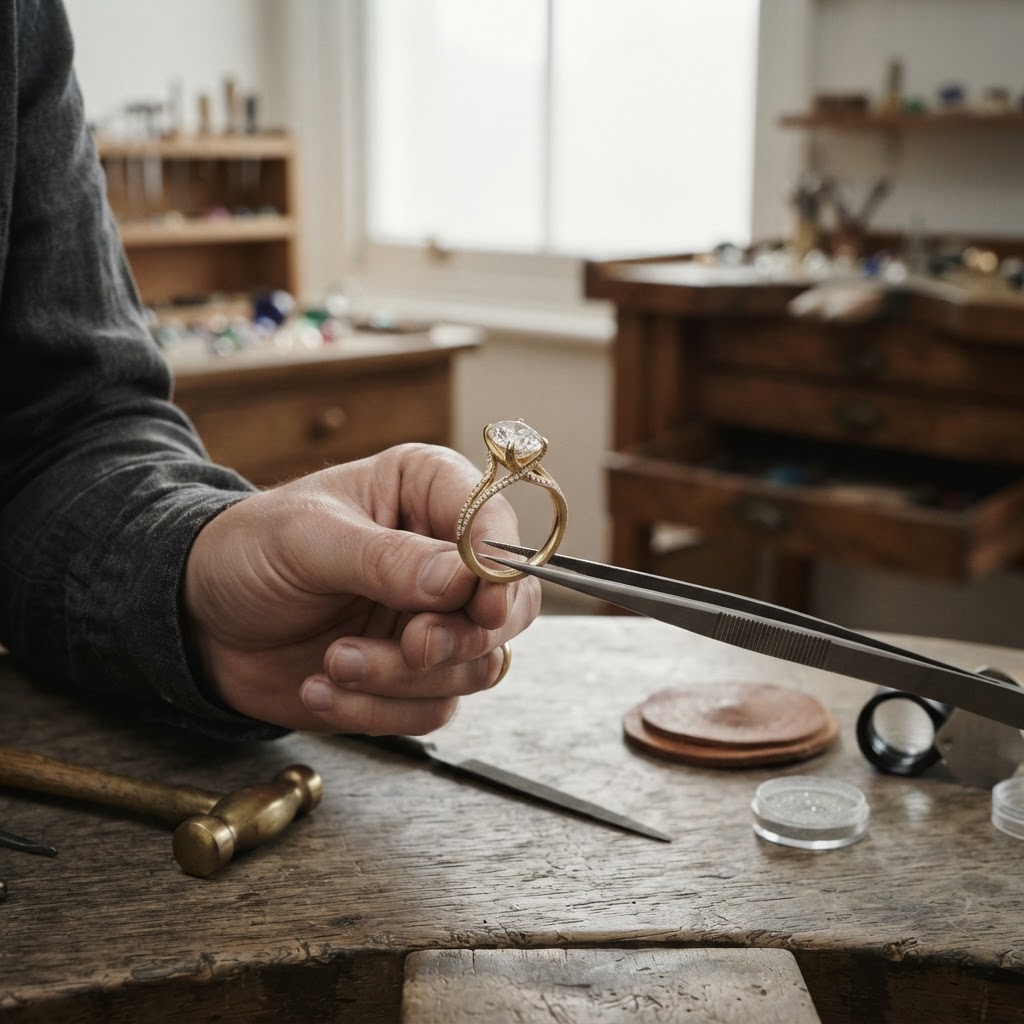
Unique Engagement Ring Settings UK: A Technical Customisation Guide
The visual complexity of an engagement ring is a direct function of its technical architecture, not its romantic intent. Standard high-street...
The visual complexity of an engagement ring is a direct function of its technical architecture, not its romantic intent. Standard high-street inventories often present limited variation and opaque pricing structures for precious metals like platinum and gold. Identifying unique engagement ring settings UK requires a shift from sensory-led shopping to a data-driven procurement process. Precise configuration depends on the ability to track, compare, and organise specific design parameters effectively.
This guide establishes a systematic framework for identifying and configuring bespoke settings using professional design tools. It provides a logic-based method for comparing metal snapshots and complex setting architectures. The following sections examine the mechanics of platinum customisation, hallmarking requirements for items over 0.5 grams, and the utility of a digital Ring Maker to ensure precision. This modular approach to design bypasses retail inefficiencies and prioritises transparent data points for the procurement of high-quality diamonds and metals. The focus remains on utility and the clarity of information to facilitate an informed decision-making process.
Key Takeaways
- Identify the limitations of mass-produced designs by categorising unique engagement ring settings UK through metal choice, stone orientation, and band architecture.
- Evaluate the technical impact of prong count and structural components on stone security to ensure the durability of complex ring architectures.
- Utilise the Ring Maker tool to execute a systematic design workflow that matches specific centre stones with high-precision platinum or gold settings.
- Implement bespoke design protocols via Lanarkshire-based consultations to leverage expert-led procurement of high-value diamonds and precious metals.
- Access real-time metal price snapshots and data-driven design interfaces to ensure transparency and eliminate traditional high-street markups.
Defining Unique Engagement Ring Settings in the UK Market
The UK jewellery market relies on mass-produced inventory. These products prioritise manufacturing efficiency over individualised specifications. Most high-street retailers utilise standardised moulds. This leads to repetitive aesthetic outcomes across the domestic market. A systematic approach to unique engagement ring settings UK requires an understanding of structural deviations from these common norms. It's a direct result of technical parameter selection. This involves a shift from traditional solitaire forms to alternative structural architectures.
The Problem with Standardised High-Street Designs
Standardised designs rely on high-volume production cycles. These cycles reduce unit costs but limit customisation potential. High-street inventory often uses lower-grade alloys to maintain specific price points. These materials frequently lack the density required for intricate or secure settings. Mass-market moulds prioritise speed. They often overlook the Anatomy of a ring; specifically the critical relationship between gallery height and stone stability. This lack of transparency in metal procurement creates a durability deficit for the user.
Criteria for Genuine Setting Uniqueness
Identifying genuine uniqueness requires a categorisation of physical attributes. These attributes include metal choice, stone orientation, and band architecture. Platinum serves as a premium substrate for unique designs. It's a premium substrate because it offers superior tensile strength compared to standard gold alloys. Specific criteria for uniqueness include:
- Deviation from 4-prong or 6-prong solitaire structures.
- Integration of non-traditional geometric elements in the shank and gallery.
- Use of high-purity platinum for complex architectures.
- East-west stone orientations or tension-style configurations.
Platinum's density allows for thinner, more complex prongs without compromising gemstone safety. It's a reliable anchor for high-value gemstones. The shift toward alternative forms involves a modular design process. Users can now track and organise specific design snapshots. This method replaces the sensory-led retail experience with a logical framework. Configuring unique engagement ring settings UK ensures the final output meets precise technical requirements. This level of customisation provides a clear alternative to generic high-street offerings.
Technical Parameters for Customising Ring Settings
Configuring unique engagement ring settings UK involves a modular analysis of the mounting’s structural units. A setting is a mechanical assembly designed to secure a gemstone to a metal band. It's essential that all precious metal settings comply with UK hallmarking standards if the item exceeds specific weight thresholds. For platinum, the legal requirement for hallmarking applies to items over 0.5 grams. This ensures transparency in metal purity for the user and maintains the integrity of the procurement process.
Anatomy of the Setting: Prongs, Bezels, and Tension
The choice of setting style dictates both the aesthetic profile and the mechanical security of the stone. Prong configurations are the most common. Four prongs prioritise light entry and stone visibility. Six prongs provide mechanical redundancy; if one prong fails, the stone remains secure. Bezel settings encase the entire stone perimeter. They offer a utilitarian solution for protecting the diamond girdle against impact. Tension settings use the band's compression force to hold the gem. It's a design that requires high-density metals like platinum to maintain structural integrity over time without the need for traditional supports.
Band Architecture and Profiles
Selecting unique engagement ring settings UK also involves choosing a specific band profile. Profile selection dictates the ring's interaction with the finger and its overall durability. D-shape bands provide a flat interior and domed exterior. Court profiles are curved on both surfaces to reduce friction and improve comfort during daily wear. Flat profiles offer a contemporary aesthetic with uniform thickness. Shank variation further refines the design. Tapered shanks narrow toward the centre stone to increase visual focus on the gem. Uniform shanks provide consistent metal volume for improved long-term stability. Accent integration, such as pavé or channel settings, requires specific metal depths to ensure the security of each secondary stone.
The hierarchy of customisation starts with the metal substrate, followed by the setting architecture, and concludes with the band profile and finish. Metal finishes provide the final technical layer. A polished finish offers high reflectivity and is the industry standard for platinum. Matt or satin finishes reduce glare and highlight the ring's structural form. Textured finishes, such as hammered or sandblasted effects, conceal surface scratches effectively. Use the Ring Maker to compare these technical snapshots in real-time and organise your design parameters effectively.
Comparative Analysis of Structural Setting Architectures
Selecting unique engagement ring settings UK requires a comparative analysis of structural performance. Uniqueness isn't merely an aesthetic choice. It's a result of specific engineering parameters. A comparison framework evaluates settings based on durability, light performance, and metal volume requirements. This data-driven approach ensures the chosen architecture aligns with the user's daily wear profile and maintenance capacity.
Solitaire vs. Halo vs. Cluster: A Performance Review
Solitaire architectures allow maximum light entry. They feature a simple 4-prong or 6-prong layout. This provides high visibility but limited geometric variation. Halo settings incorporate a perimeter of smaller diamonds. This increases the visual footprint and protects the centre stone girdle. However, it also increases maintenance requirements. There are more prongs to inspect for mechanical failure. Cluster settings offer the highest geometric complexity. They use multiple stones to create non-standard shapes. This style requires frequent professional checks to ensure stone security. The GIA provides a technical overview of engagement ring setting styles for detailed visual comparison.
Setting height impacts both light performance and durability. High-profile settings elevate the stone. This increases light refraction through the pavilion but also increases the risk of impact damage. Low-profile settings protect the diamond. They're more durable for daily wear but restrict light entry from the sides. Metal volume requirements also vary by style. A standard solitaire requires approximately 3 to 5 grams of metal. A complex halo or cluster setting may require 6 to 8 grams to support the additional stone count and structural supports.
The Role of Metal Choice in Unique Settings
Platinum 950 is the optimal choice for unique engagement ring settings UK. It has a high density and specific work-hardening properties. This allows for finer, more secure prongs compared to gold alloys. Work-hardening occurs as the metal is worn. This process increases its resistance to deformation over time. Platinum doesn't lose metal volume when scratched; it merely displaces it. Gold alloys lose microscopic amounts of metal through friction. This leads to the eventual thinning of the band and prongs.
18ct Gold offers colour variety but lower structural durability. White gold specifically requires rhodium plating to maintain its neutral colour. This creates a recurring maintenance cost. Over a 10-year period, white gold requires re-plating approximately every 12 to 18 months. Platinum requires only periodic polishing. This makes platinum a more efficient long-term procurement despite higher initial metal costs. Organising these snapshots of data allows the user to prioritise structural integrity over generic high-street trends.
Executing Designs via the Ring Maker Interface
The Ring Maker interface functions as a systematic design facilitator. It replaces manual, inefficient consultation processes with a modular digital workflow. This tool allows users to configure unique engagement ring settings UK by manipulating specific design parameters in real-time. The interface integrates multiple data streams, including a live loose diamond database and metal price snapshots. This ensures that every configuration is based on current procurement costs and structural availability. Users can track and organise design iterations within a single, unified system.
Workflow: From Loose Diamond to Finished Ring
Executing a design requires a three-step protocol. First, initiate the Loose Diamonds procurement phase. Use the Diamond Quiz to filter technical grading parameters such as carat weight, cut quality, and clarity. This systematic filtering ensures the centre stone meets the required optical specifications. The quiz functions as a logic-based filter. It removes stones that don't align with the user's defined parameters. Second, proceed to the configuration of the setting architecture. The tool allows for the precise matching of the selected stone to a compatible mounting. Third, verify physical measurements using the Ring Sizer. This final step ensures the technical output translates accurately to the physical product. Accuracy in sizing is critical. It maintains the structural integrity of the final assembly.
Data Management and Collaboration Features
Users access comprehensive data management capabilities via the dashboard. The system allows you to generate snapshots of multiple configurations to facilitate a side-by-side comparison. This comparison tool evaluates structural differences and price variations across different metal choices, such as platinum or 18ct gold. Managing wishlists allows for multi-user design review. This enables stakeholders to track and organise preferences effectively. Once a design is finalised, the Jewellove dashboard provides real-time tracking of order progress. This level of transparency eliminates the ambiguity often associated with bespoke jewellery manufacturing.
Real-time budgeting is supported by the platinum price snapshot feature. This tool provides a literal data point for metal costs, allowing for precise financial planning. By using the Ring Maker tool, users maintain control over the design logic and procurement data. This methodical approach ensures that the final product adheres to the exact specifications defined during the configuration phase. It's a technical solution for those who value order and precision in the creation of unique jewellery. The system ensures that all components, from the shank profile to the prong style, are categorised and documented before production begins.
Bespoke Design Protocols and Local Procurement in Lanarkshire
The Bespoke Design Service provides a protocol for configurations that exceed the standard parameters of the digital Ring Maker. This service is necessary for highly complex unique engagement ring settings UK that require individualised structural engineering. Lanarkshire-based expertise enables direct oversight of the manufacturing process. This local procurement model removes the high-street markups associated with third-party logistics. It ensures that the procurement of high-value Loose Diamonds and platinum remains transparent and data-driven.
The Bespoke Consultation Process
Bespoke projects follow a rigid three-stage protocol to ensure technical accuracy. This workflow prioritises the organisation of data before any physical manufacturing begins. The stages are categorised as follows:
- Initial Data Gathering: Define technical requirements, including metal purity, stone dimensions, and specific budget constraints. This phase organises the user's preferences into a functional brief.
- Technical Drafting: Convert the brief into precise CAD (Computer-Aided Design) models. This step allows for a technical review of the ring's architecture, ensuring structural integrity for daily wear.
- Material Verification: Finalise the selection of Loose Diamonds and precious metal alloys. This stage includes a review of current metal price snapshots to confirm the final procurement costs.
CAD models provide a literal snapshot of the final product. Review these models to verify prong placement, gallery height, and shank thickness. This verification process reduces the risk of manufacturing errors and ensures the final assembly meets the exact specifications of the initial design. It’s a methodical way to ensure the durability of the mounting.
Local Logistics and Quality Control
All bespoke pieces undergo a Lanarkshire-based quality assurance (QA) check. This protocol verifies that every setting meets domestic hallmarking standards. For platinum items over 0.5 grams and gold items over 1.0 gram, hallmarking is a legal requirement in the UK. Local QA ensures that these thresholds are tracked and managed correctly. Direct-to-consumer logistics further improve efficiency by removing intermediary retail layers. This model provides the following advantages:
- Elimination of high-street retail markups.
- Direct access to Lanarkshire-based technical expertise.
- Secure delivery protocols for high-value items across the UK.
- Transparent tracking of the manufacturing timeline via the digital dashboard.
To initiate a professional design consultation, submit your technical requirements through the Bespoke Design Service interface. This action categorises your request and assigns a facilitator to manage the drafting process. Utilise this methodical approach to secure unique engagement ring settings UK that adhere to high-precision engineering standards. The system ensures every component is documented before production begins.
Optimising Your Ring Configuration Protocol
The procurement of unique engagement ring settings UK depends on a systematic approach to design and material verification. Standard high-street options lack the transparency and structural variation required for a high-precision outcome. This guide has established that uniqueness is a direct result of technical parameter selection. Access real-time metal price snapshots to ensure financial transparency throughout the procurement process. Utilise the Diamond Quiz for precise stone selection based on objective grading data rather than sensory appeal.
For configurations that require individualised engineering, leverage Lanarkshire-based bespoke design expertise. This local model ensures that every mounting meets specific durability and hallmarking requirements. Managing these data snapshots within a unified dashboard eliminates the inefficiencies of traditional retail. You now have the framework to bypass generic designs and prioritise structural logic. It's a method that ensures every component is tracked and organised effectively.
Configure your unique setting using the Ring Maker tool to begin your design workflow. Precision in configuration ensures long-term utility and stone security.
Frequently Asked Questions
What makes an engagement ring setting "unique" in the UK?
Uniqueness is defined by structural deviation from mass-market moulds and standardised 4-prong or 6-prong solitaire architectures. Identifying unique engagement ring settings UK involves selecting non-traditional geometric elements, such as east-west stone orientations or tension-style configurations. These designs prioritise individualised technical specifications over manufacturing efficiency. Genuine uniqueness often requires high-density substrates like platinum to maintain mechanical security whilst achieving complex aesthetic profiles that aren't available in generic high-street inventories.
How do I use the Ring Maker tool to customise my setting?
The Ring Maker tool operates as a systematic design facilitator through a modular digital workflow. Users first execute the stone procurement phase by selecting a diamond from the live database. Next, configure the setting architecture by matching the gemstone to a compatible mounting. Finally, verify physical measurements using the Ring Sizer tool. This interface provides real-time visual feedback and organises all design snapshots into a single dashboard for efficient comparison before finalising the procurement.
Is platinum the best metal for unique engagement ring settings?
Platinum is the optimal substrate for complex architectures due to its high density and superior tensile strength. Unlike gold alloys, platinum has specific work-hardening properties that increase its resistance to deformation over time. This allows for thinner, more intricate prongs without compromising the security of the gemstone. It's also the most efficient choice for long-term maintenance, as it doesn't lose metal volume through friction or require recurring rhodium plating like white gold.
Can I provide my own diamond for a unique setting at Jewellove?
The Bespoke Design Service is engineered to accommodate specific technical requirements, but the primary procurement model focuses on the integration of stones from the internal database. Using stones from the verified loose diamond database ensures that all technical grading parameters are fully documented and compatible with the Ring Maker tool. For non-standard requests involving external materials, users should initiate a bespoke design consultation to evaluate the structural feasibility and compatibility of the gemstone.
How do I calculate the budget for a bespoke engagement ring?
Calculating a bespoke budget requires the aggregation of two primary data points: the current metal price snapshot and the specific diamond cost. Use the platinum price snapshot feature to obtain a literal data point for current material costs. Add this to the price of the selected stone from the loose diamond database. The direct-to-consumer model eliminates high-street retail markups, allowing for a more transparent allocation of funds toward high-purity metals and superior stone quality.
What are the most durable unique setting styles for daily wear?
Durability is a function of the setting’s profile height and mechanical coverage. Bezel settings provide a utilitarian solution by encasing the entire stone perimeter, protecting the diamond girdle from impact damage. Low-profile prong settings are also highly durable as they reduce the risk of snagging or structural deformation during daily activities. For unique engagement ring settings UK, utilising 6-prong architectures provides mechanical redundancy, ensuring the gem remains secure even if a single prong suffers a technical failure.
Does Jewellove offer design consultations in Lanarkshire?
Yes, the Bespoke Design Service includes consultations led by Lanarkshire-based experts. These sessions focus on converting technical requirements into precise CAD models. Local expertise facilitates direct oversight of the manufacturing process and quality assurance protocols. Users can initiate this process through the digital interface, which categorises preferences and technical specs before the drafting phase. This protocol ensures that every bespoke piece adheres to domestic hallmarking standards and precise engineering parameters defined during the consultation.
How does the metal price snapshot affect my ring’s final cost?
The metal price snapshot provides real-time data on the cost of raw materials like platinum and gold. This feature ensures that the final cost of a ring reflects current market procurement rates rather than fixed retail prices. By tracking these snapshots, users can identify the most efficient time to finalise their design. This level of transparency is a core component of the data-driven design process, allowing for precise financial planning and the elimination of opaque pricing.